1. Do not hose it down
The crew explains why water, vinegar and bleach are not the answer, and what the team will use instead.
Troy, PA · Bradford County
Does your home or business in Troy still sting after tear gas or pepper spray? Call (877) 812-4220 any hour. You get a crew for residue on floors, walls, vents and soft furniture.
If anyone is in danger, call 911 first. For a suicide crisis, call or text 988.
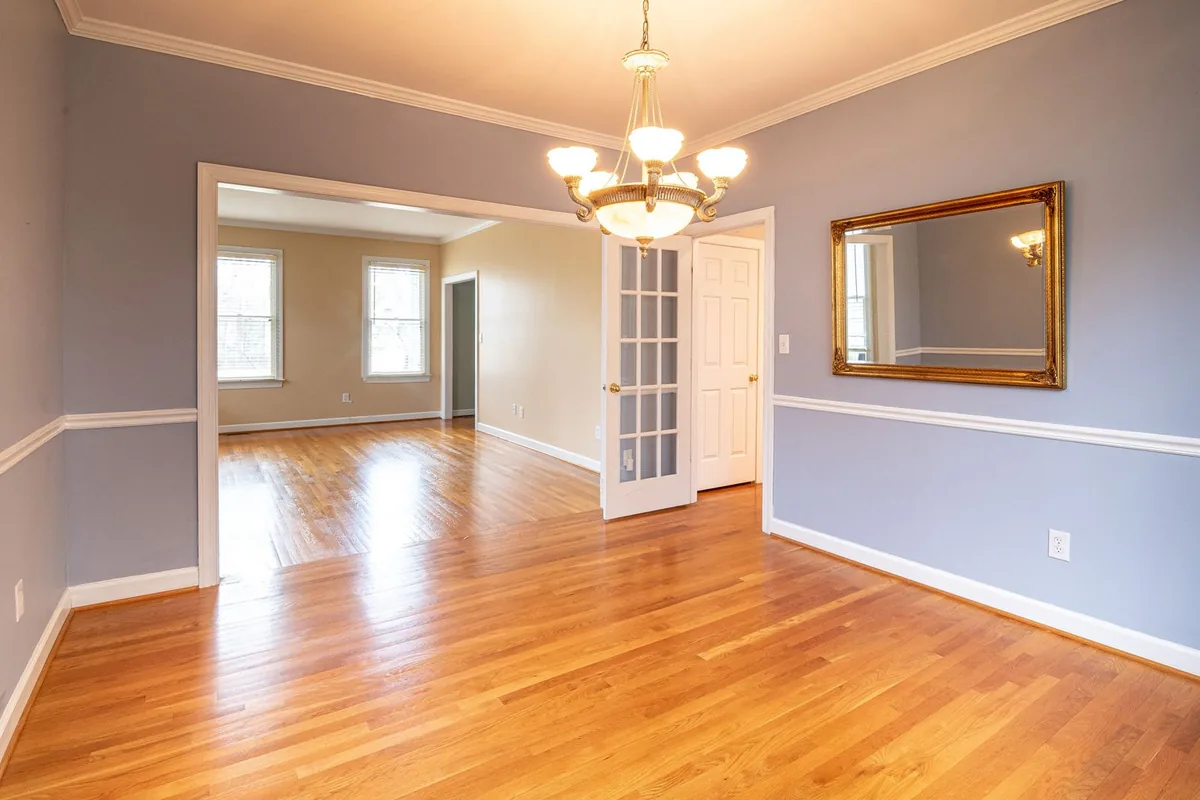
Tear gas cleanup, also called tear gas removal, is the process of finding where irritant particles settled, removing them with the right products and checking that the space is safe to enter again.
If tear gas or pepper spray was released in your home, apartment, business or vehicle in Troy or elsewhere in Bradford County, call Troy Biohazard Cleanup Help. You get a cleanup team in protective gear that keeps details private.
About 39% of households in Troy are renters, so tear gas or spray in a shared building often involves a landlord and neighbors. July highs near 81 degrees in Troy are milder, but heating and cooling systems still move residue through ducts.
Tear Gas & Pepper Spray Cleanup in Troy usually includes:
The crew explains why water, vinegar and bleach are not the answer, and what the team will use instead.
The team explains what can be saved, what must go and which products suit the agent.
Residue is removed from every affected surface, and waste is sealed for disposal.
A final inspection and a set of records finish the job, so tenants or staff can return.
Expect tear gas & pepper spray cleanup in Troy, PA to cost roughly $1,500 to $50,000, with the final price set after an on-site assessment.
The type of agent changes the method. Some residue is a fine powder and some is an oil, and each needs different products and steps.
| Type of job | Typical range |
|---|---|
| Small apartment | $1,500 - $4,000 |
| Commercial property | $10,000 - $50,000+ |
| Single-family home | $3,000 - $10,000+ |
Published ranges only (Tear gas cleanup cost guide); every tear gas & pepper spray cleanup job in Troy is priced after an on-site look. Price drivers include property size, air system involvement, materials affected, time since exposure. Questions? Call (877) 812-4220.
Rules for hazardous residue vary by state, county and city. Waste may need special handling and cannot always go in the regular trash. Ask the local health department or fire department what applies.
Only after it is cleaned and checked. Pets and young children are closer to floors, so they can be affected more. Keep them out until the crew says the work is complete.
Usually not. Many owners set up access by phone through a key holder or manager. Tell the team who has the keys and whether a business must stay open around the work.
Sometimes. Some homeowners and business policies may cover cleanup after vandalism, a break-in or a covered event, and others exclude certain causes. Call your insurer before work starts and ask plainly what applies.
It depends on the agent, the room and the surfaces. Some residue fades in a few days, while some types cling to fabrics and carpet much longer. If burning returns when you go back in, the residue is still there.
Glass, metal, sealed wood and plastic often clean well. Washable fabrics may be saved depending on the agent. Carpet, padding, foam and mattresses are harder, and some must be removed. The crew sorts items with you.
Cleaners remove the irritant so people and pets can return safely.
Call (877) 812-4220